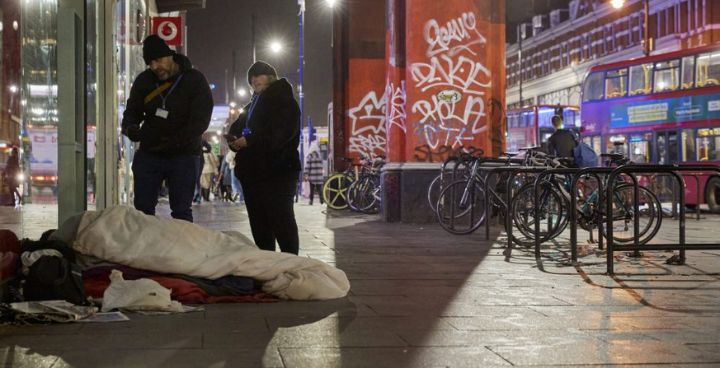
Every year, councils across the country take part in this national snapshot to understand how many people are sleeping rough on a single night, alongside basic information about who they are and where they may be from. The findings help shape both local and national strategies to prevent homelessness and support people off the streets.
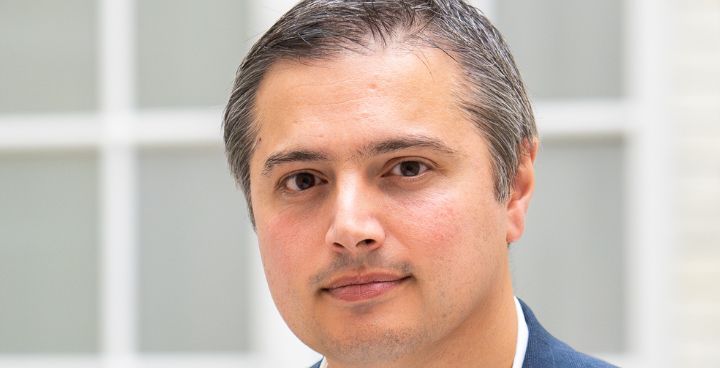
“We are working hard to make a difference”, said Cllr David Bridson, Cabinet Member for Healthier Communities, who took part in the count alongside Cllr Claire Holland, Leader of Lambeth Council. Cllr Bridson continued:
“Going out on the streets of our borough is an important part of understanding the scale of this crisis.”
“More than 200 rough sleepers were helped off the streets by Lambeth Council last year. And our homelessness prevention services have helped thousands more people keep a roof over their heads.
“Despite these efforts, homelessness remains a huge concern, both here in Lambeth and across London. The desperate shortage of affordable housing and long-term underfunding of the public sector are big drivers here.”
During the count, teams led by an experienced outreach worker, walk the borough after midnight, following a clear national definition of what counts as rough sleeping—identifying people who were bedded down or about to bed down in the open air, or sheltering in places not meant for habitation.
This year’s count will sit alongside monthly data already collected by councils and submitted to government, but the annual count remains the most robust and independently verified measure.
Lambeth partners with the Thames Reach Outreach Team who work across the borough, engaging and supporting rough sleepers 7 days a week. While helping people off the streets is vital, Lambeth is equally focused on preventing homelessness in the first place and the Homelessness and Rough Sleeping Strategy set out the council’s commitment to prevent homelessness through early intervention and working with partners to provide rapid support for those on the streets, to ensure that rough sleeping remains rare, brief, and non-recurrent
Cllr Bridson stressed that Lambeth’s response is both proactive and compassionate:
“We have invested heavily in this prevention work, because once people become homeless it gets ever harder to find them somewhere safe to live.
“These services have been a real success, supported by specialist help for people experiencing addiction or mental health challenges—key factors in the homelessness many people face.”
“We are determined to act—and keep providing the services needed to tackle this issue, even with us having to make millions in savings,” added Cllr Bridson referring to the council’s budget crisis.
Despite deep cuts to the council’s budget, Lambeth has protected many services to help rough sleepers and is continuing to spend around £5 million annually on a range of support.
The overall support offered to rough sleepers is robust and has been bolstered by our successful applications for government funding via the Rough Sleeping Prevention and Recovery Grant and others over the last few years.
These grants have enabled Lambeth to implement a range of support services and interventions such as:
- Emergency hotel accommodation
- Resettlement and PRS move-on support
- Education and employment assistance
When the Met Office forecasts temperatures of zero degrees Celsius or below, Lambeth activates its Severe Weather Emergency Protocol (SWEP), providing extra help for rough sleepers in the face of ongoing low temperatures. Following the last SWEP activation in November, 28 people who were sleeping rough were offered accommodation.
Visit the Lambeth website to report concerns for yourself or someone else sleeping rough in Lambeth.
Watch our video to find out how we’re supporting rough sleepers in Lambeth: