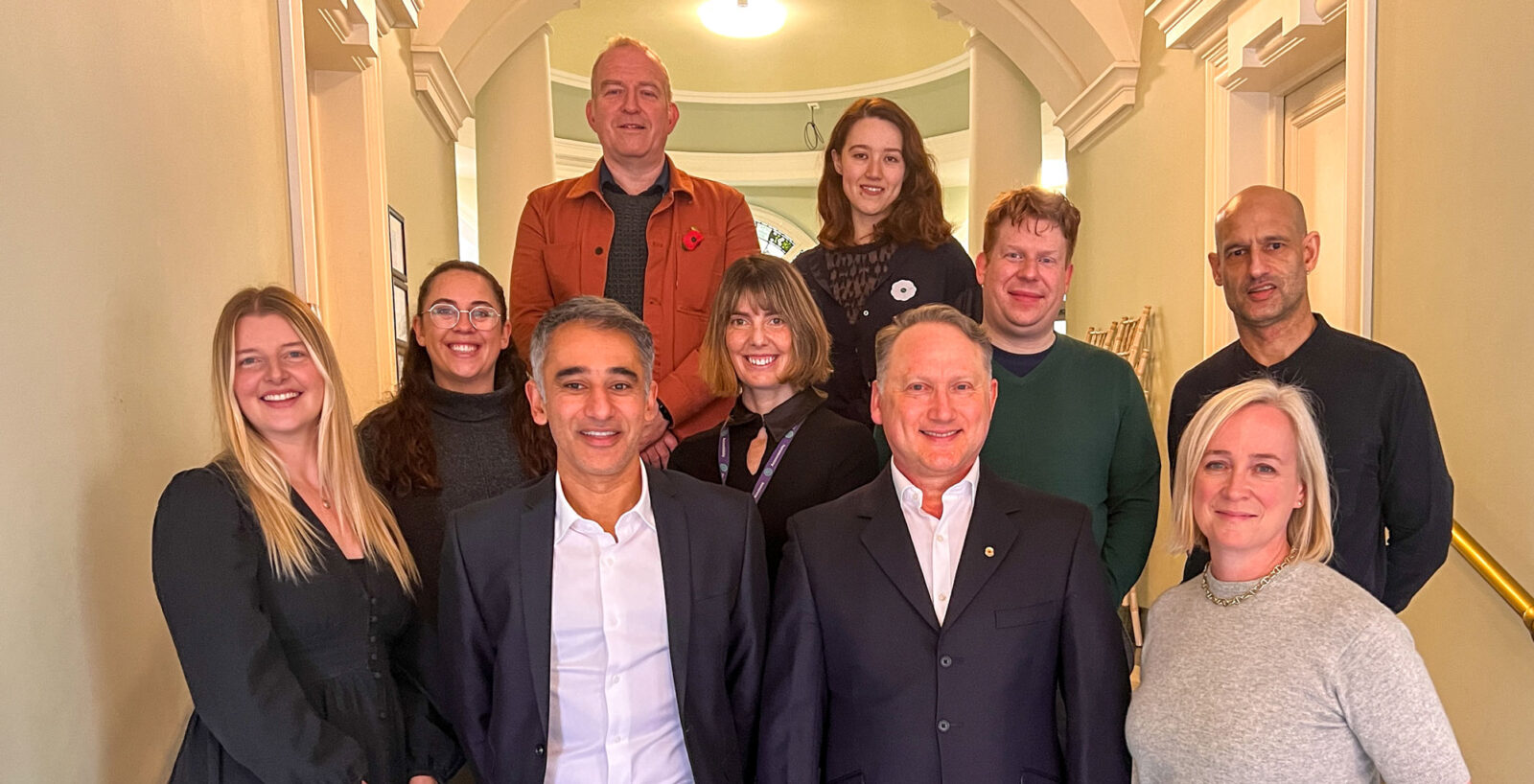
The Good Parks for London Report 2026 placed Lambeth Council at the top of the tree, when assessed against 10 wide-ranging measures including quality and sustainability, supporting nature, community involvement and public satisfaction.
The report, published by the charity Parks for London since 2017, has helped in “nudging and inspiring improvements in the quality and management of green spaces across the capital”. It recognises and celebrates innovative projects and best practice, highlighting the efforts of various landowners who manage London’s green spaces.
Two thirds of the 24 boroughs participating in this year’s publication improved their performance this year, with Lambeth achieving the strongest overall performance across the assessment criteria. The charity said the city-wide scores “highlighted the continued resilience, adaptability and commitment of London’s parks sector despite ongoing financial, social and environmental pressures”.
Lambeth is praised in the publication’s “Public satisfaction” section, for having “a structured approach to understanding residents’ needs through multiple sources of feedback and consultation and translating these insights into improvements across its parks service, investment programmes and future planning”.
The report added: “Lambeth Council’s approach to public satisfaction begins with building a detailed picture of what residents value in their parks, what they would like to see improved and where competing needs exist.
“Rather than relying on a single source of feedback, the parks team draws together evidence from multiple channels to understand both borough-wide trends and local issues.”
Word from the Cabinet
Cllr Natalie Kane, Lambeth’s Deputy Leader and Cabinet Member for Inclusion, Democracy and Culture, said: “This is a fantastic achievement that all of Lambeth should be proud of. It is a well-earned recognition for our outstanding parks team and everyone who works to ensure all our parks are such beautiful and welcoming open spaces at the heart of our communities.
“As an inner London borough with limited open space, where so few of our residents have their own gardens, it is crucial that Lambeth maintains its parks as accessible, communal spaces that can be freely enjoyed by everyone.
“This ranking is a welcome acknowledgement of the investment made in our parks, the work being done to maintain and improve them, and our commitment to ensuring they will be vital parts of our borough for generations to come.”
In a year marked by intense heatwaves and drought, the topic feels more relevant than ever. Yet resilience extends beyond climate adaptation alone. Those who manage and champion green spaces must also navigate financial pressures, workforce challenges, competing policy priorities, and rising expectations of what parks can deliver for people and places.
This year’s report explores the practical ways resilience is being built across the sector. It highlights examples of climate and nature resilience, alongside organisational, workforce, financial, operational, policy and systems resilience, and the role of parks in supporting resilient, inclusive and connected communities.
Dr Edel McGurk, Regional Director of Natural England, remarked in her foreword:
“I’ve spent my career working at the intersection of people and nature, and what excites me most about this year’s case studies is how far the definition of a “resilient park” has travelled. It now captures the role of people, partnerships and collaboration: the soft infrastructure that makes benefits real for a place.”
Ed Stannard, Executive Director of Parks for London, said:
“The improvement seen across participating boroughs over the years highlights the value of benchmarking, shared learning and partnership working in driving progress even in challenging circumstances.
“At a time when park services face growing demands and constrained resources, the report continues to underscore the fact that resilience is built not only through investment in places, but through investment in the organisations, partnerships and people that are responsible for them.”
Matthew Jessop, Head of Landscape & Urban Design at the report’s sponsors, WSP UK & Ireland, said: “As this edition of the Good Parks for London report demonstrates, green spaces are no longer simply places for recreation. They are critical resilience infrastructure. As we look to the future, the success of our towns and cities will depend increasingly on the health of the natural systems that sustain them. This report is both a celebration of that contribution and a powerful reminder of why it matters.”