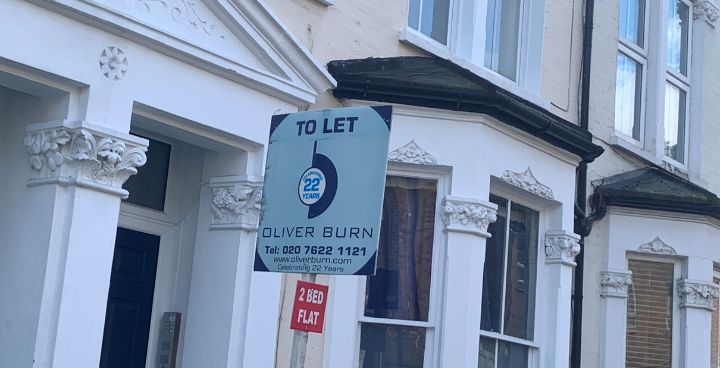
Temporary accommodation is used in Lambeth, and across London, to provide housing to people who are facing homelessness. It serves as a stop gap for homeless families because of the capital’s serious shortage of affordable homes and because rents in the private sector have risen so much.
In Lambeth the council spent £105million on temporary accommodations last year, and across London the cost exceeds £740million. The new approach is detailed in Lambeth’s Temporary Accommodation Procurement Strategy.
The strategy aims to cut the time families spend in temporary accommodation and accelerate moves into safe, stable and affordable long-term homes, while continuing to meet the council’s legal duties to people facing homelessness.
At the end of 2025, around 4,500 households in Lambeth were living in temporary accommodation in Lambeth. The council’s ambition is to reduce this to around 2,500 households by 2029, following several years of rising demand and high housing costs.
Word from the Cabinet
Cllr Danny Adilypour, Deputy Leader of Lambeth Council and Cabinet Member for Housing, Investment and New Homes, said:
“Lambeth, like many London local authorities, is experiencing one of the most severe social housing crises in recent history, resulting from prolonged underinvestment by successive governments and their lack of sustained commitment to maintaining and building social homes.
“Too many families are spending too long in temporary accommodation, and the current system is not financially sustainable.
“This strategy sets out a clear and practical plan to reduce the number of households in temporary accommodation, improve standards and move away from expensive nightly-paid provision.
“By strengthening prevention, working more closely with landlords and securing longer-term housing options, we can provide better outcomes for residents while protecting the council’s finances.”
Lambeth’s new Procurement Strategy focuses on:
- Preventing homelessness earlier, so fewer households need temporary accommodation
- Helping more families move into private rented homes, with better support for tenants and landlords
- Reducing reliance on expensive nightly paid accommodation
- Improving standards, ensuring homes are safe, suitable and well managed
The council’s Housing Needs Service overspent by £52million over the last two years because of rising demand for temporary accommodation driven by greater reliance on nightly paid accommodation for households in desperate need.
Over the past year, the council has supported 400 families to leave temporary accommodation, saving the council £10million. If this progress continues and further savings are achieved, the council’s Housing Needs budget is expected to be balanced by late next year.
The new strategy will supports Lambeth’s Placement Policy, with a focus on reasonable travel times and access to services, and its Private Rented Sector Offer Discharge policy.